

Last updated
How often does a septic tank need cleaning?
Three to five years covers most households, but it's not a fixed number. A family of five running two bathrooms fills a tank faster than a retired couple in the same house. Garbage disposals, laundry habits and even how much rain Tempe Junction gets that season all shift the math. If your tank is undersized for your household, you might need septic tank cleaning closer to every 2 to 3 years instead of 5. Homes near Paradise Valley or Sun Lakes, both within about 5.5 miles of the city, often deal with the same clay-heavy soil that slows drainage and puts more strain on the tank between pumpings. Watch for slow drains and soggy spots near the drain field. Those are early signs, and septic tank warning signs covers what to look for before a backup happens. If your property sits closer to Guadalupe or Maricopa Colony, the same 3 to 5 year guidance applies regardless of which side of the city you're on. Waiting too long doesn't just risk a mess. It risks solids reaching the drain field, which is a repair bill measured in thousands, not hundreds. Get ahead of it. A tank on a 3 to 5 year clock is cheap to maintain and expensive to ignore. If you're weighing the cost against skipping a cycle, septic tank pumping cost lays out what pumping actually runs versus what a failed drain field costs to replace.
What affects how fast my septic tank fills up?
Household size and tank size drive most of it, but they're not the whole story. A 1,000 gallon tank serving four people fills differently than the same tank serving eight. Water usage matters too: long showers, frequent laundry loads and dishwasher cycles all add volume. Grease is its own problem. If you run a restaurant or commercial kitchen in Tempe Junction, that's a separate system entirely, and a grease interceptor gets pumped once fats, oils, grease and solids reach 25 percent of the liquid depth, not on a fixed calendar. That's a different maintenance rhythm than a home septic tank, so don't mix the two schedules up, and if you're also dealing with everyday sanitation needs on a commercial property, handwashing station rental and portable sink rental cover that separately. Check out grease trap pumping if that's your situation. For residential tanks, soil type plays a role too. Heavier clay soils, common around Komatke and St. Johns to the north, drain slower and can shorten the interval between pumpings. If your property doesn't have a functioning tank yet, or you're between systems during a renovation, a holding tank rental bridges the gap without guesswork, and a home renovation porta potty covers the crew's bathroom needs on the same job.
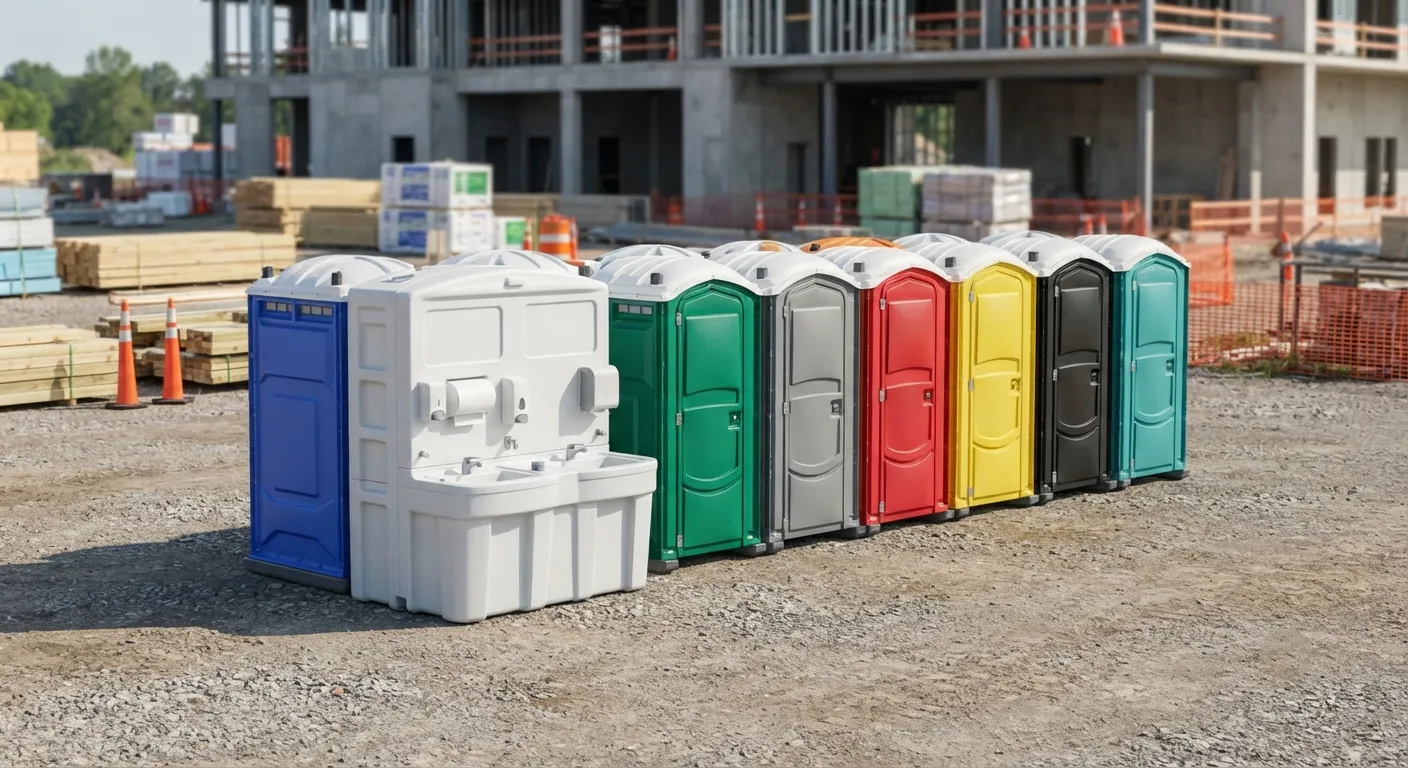
Why does my septic tank need regular pumping?
Skipping pumping lets solids build up until they overflow into the drain field, and that's where the real damage starts. A drain field clogged with solids doesn't just fail, it usually needs full replacement, which costs far more than any pumping visit ever would. Regular pumping on the 3 to 5 year cycle keeps solids where they belong, inside the tank, so the liquid portion can keep draining properly. This isn't just a homeowner concern. Construction crews and agricultural operations in Tempe Junction dealing with hand-labor employees are held to a different standard entirely. OSHA 1928.110 requires field sanitation for agricultural hand-labor crews, with one facility per 20 employees, reachable within a quarter mile walk. That's a separate requirement from residential septic care, but it's worth knowing if your property serves both a home and a working farm. For general job sites without agricultural labor, OSHA 1926.51(c)(1) sets toilet counts by crew size instead, and how many porta potties do I need walks through that math for a typical crew. If you're managing a site with both a septic system and a crew that needs facilities, construction site services and farm and agricultural restrooms both cover what's required, and OSHA portable toilet requirements covers the rule in full.
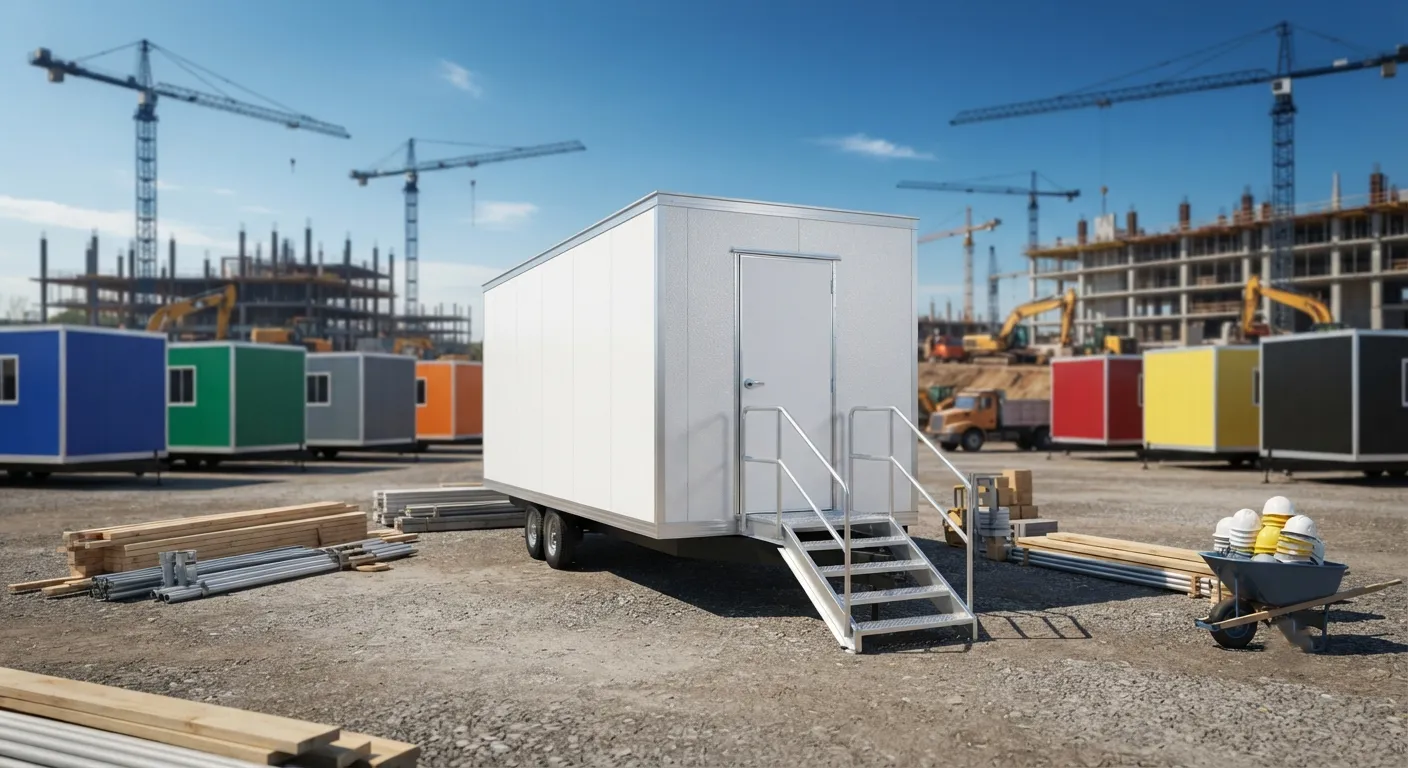
When should I call for emergency septic service?
Call immediately if you see sewage backing up into the house, standing water over the drain field, or a strong odor that wasn't there before. These are signs the tank is past capacity, not just due for routine service. Emergency septic service handles same-day situations like this in Tempe Junction, and waiting even a few days can turn a pumping visit into a drain field repair. Emergency day-rate septic service in this price band tends to run higher than a scheduled visit, since it means dispatching outside a normal route. If the backup happens during an event or while you have guests on the property, a porta john rental or portable toilet rental can cover bathroom needs while the tank gets serviced, and a restroom trailer rental is worth considering if the gathering is larger. Homes out toward Goodyear Village, about 8.6 miles south of the city, or Gila Crossing, 19.1 miles north, should factor in a longer response window for non-emergency work, so don't wait until the last minute if you're already seeing warning signs, and service areas lists response coverage across the region.
| service | duration | low | typical | high |
|---|---|---|---|---|
| septic pumping | day | $150 | $250 | $300 |
| septic pumping | weekend | $50 | $100 | $150 |
How do I know if my septic tank is the right size for my household?
A tank sized for four people struggles under a household of seven. If your family has grown since the tank was installed, or you've added a bathroom, the fill rate speeds up. A pumping technician can measure sludge levels and tell you if the tank is undersized for current use, similar to how how many porta potties do I need sizes toilet counts to headcount instead of guesswork.
Can I pump my own septic tank?
No. Septic waste requires licensed disposal, and DIY pumping usually lacks the vacuum equipment to fully clear solids from the tank floor. It also risks damaging the tank or drain field. Septic pumping service uses equipment built for full extraction, not partial cleanout.
Does adding a garbage disposal change my pumping schedule?
Yes. Garbage disposals add solid waste volume straight into the tank, which fills the solid layer faster than normal. Homes with disposals often need pumping closer to the 3 year mark rather than 5, especially with a smaller household tank.
What happens if I never pump my septic tank?
Solids eventually overflow into the drain field, clogging the soil that's supposed to filter wastewater. Once that happens, the field often needs replacement rather than repair. Regular pumping on schedule is far cheaper than a failed drain field.
Is a full tank always obvious from the yard?
Not always. Some tanks show soggy grass or odor near the drain field, but many show no visible signs until backup starts indoors. Septic tank warning signs lists what to watch for before it reaches that point.
Next step
Get a delivery date
Tell us the address, the dates and the headcount. We size the order and confirm the route.