
Last updated
How Do Porta Potties Work?
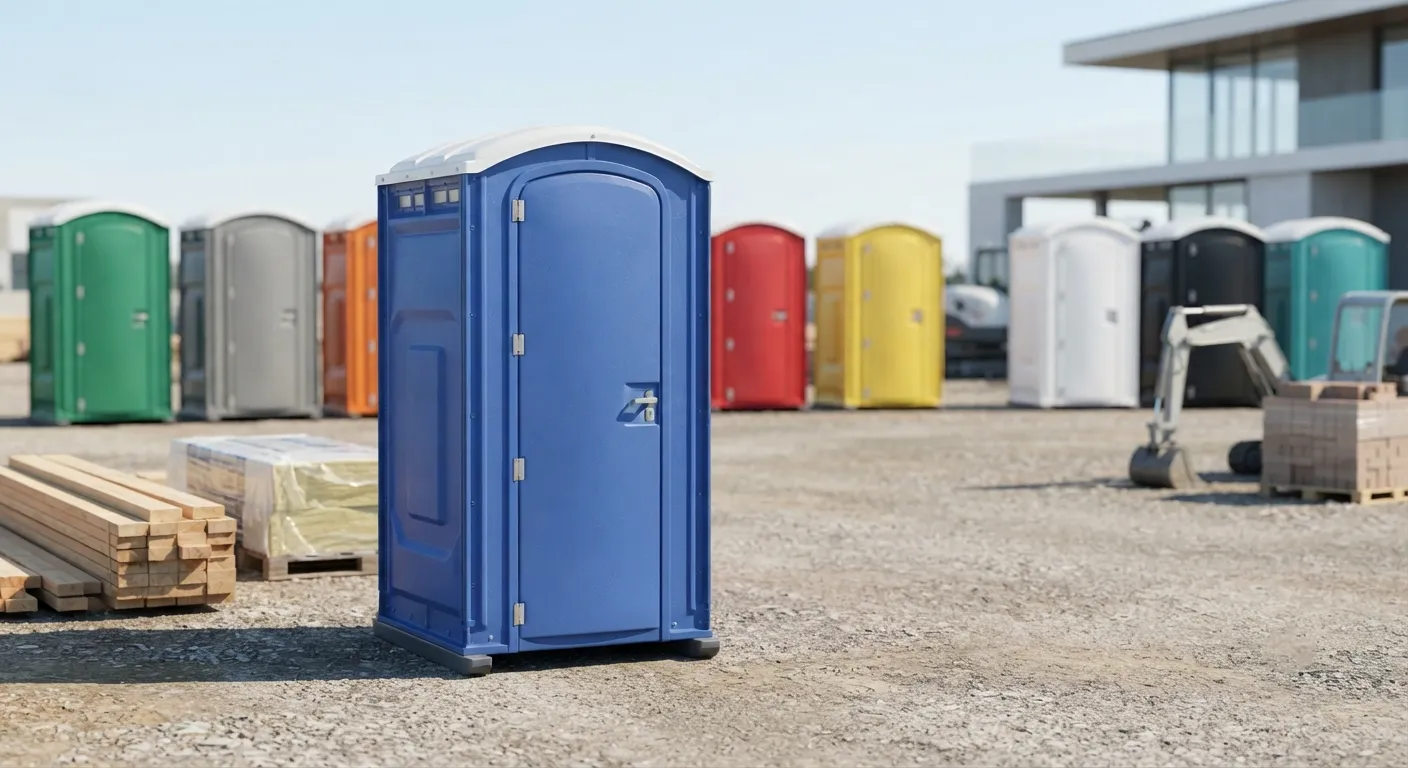
There is no flush, no pipe, no tank underground. A standard unit from standard porta potty rental is a self-contained box, about 44 by 48 inches on the ground and 92 inches tall, sitting over a holding tank built into the base. When someone uses it, waste drops straight into that tank, where a blue chemical solution breaks down solids and knocks back odor between service visits. There is no water supply and no drain line, which is exactly why these units work on raw dirt lots, parking areas, and job sites across Tempe Junction with zero hookup. A vent stack pulls air out of the tank rather than into the stall, which is most of the smell control. Ventilation, chemical strength, and how often the tank gets pumped decide how the unit smells on day three versus day thirty. ANSI/PSAI Z4.3 sets the baseline service interval at once a week for up to 10 users over a 40-hour week, which is why job sites with more workers need either more units or more frequent pumping. Curious what that schedule costs over a month instead of a weekend? Check monthly porta potty rental for the breakdown.
How Does a Portable Sink Work?
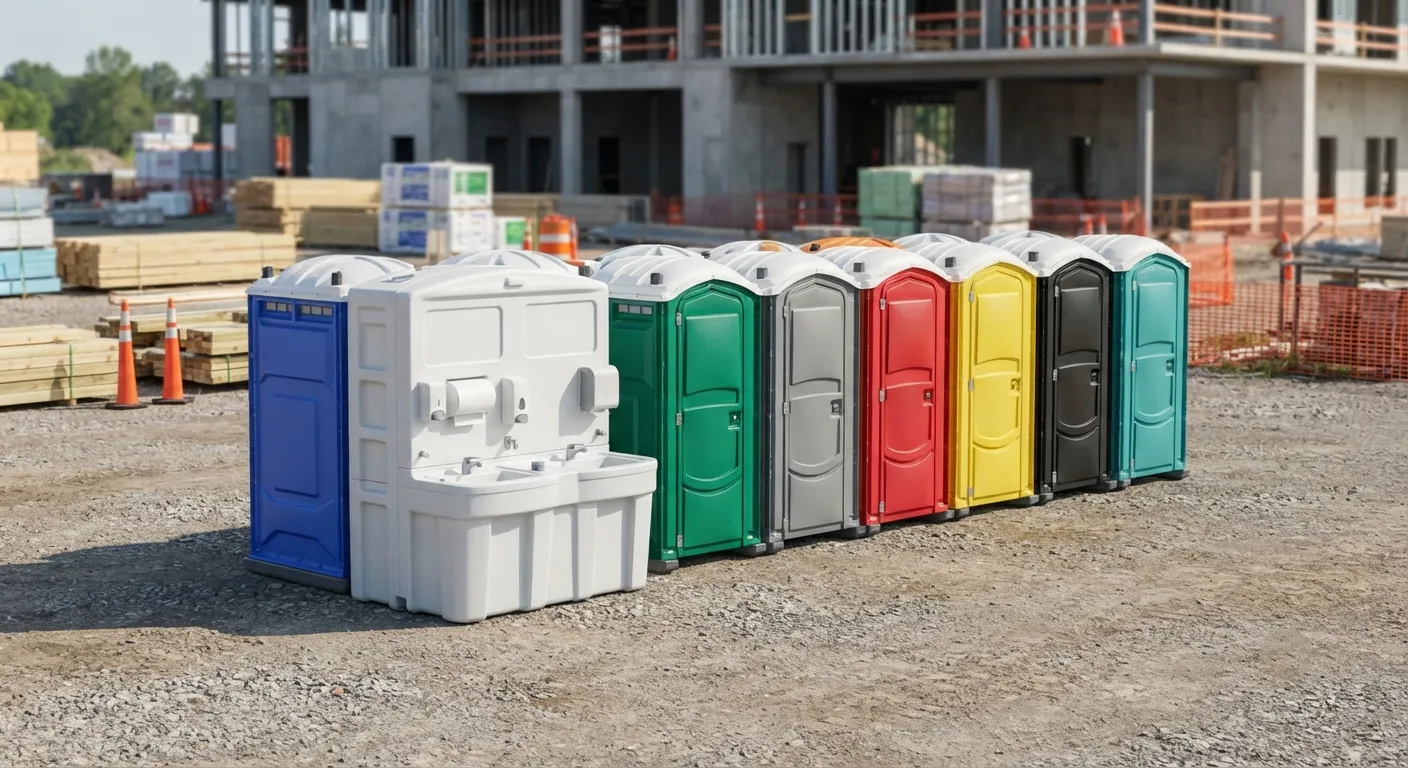
A portable handwashing station works nothing like the toilet does. It runs off a small fresh-water tank, gravity-fed or foot-pumped, that pushes water through a spout into a basin, with the gray water draining into a separate holding tank underneath. No chemicals go in the fresh side. Soap sits in a built-in dispenser. Under 29 CFR 1910.141(d)(2), washing facilities need soap and towels or a hand-drying device on site, since hand sanitizer alone does not satisfy that rule. That distinction matters more than people think, especially on sites where crews are also using hand sanitizer station rental units as a supplement rather than a substitute. If your crew is applying paints, coatings, herbicides, or insecticides, OSHA 1926.51(f)(1) requires washing facilities specifically for that contaminant exposure, not just general cleanup. For sites without running water, handwashing station rental and portable sink rental both fill that gap, and the requirements themselves are laid out on handwashing station requirements.
How Do Flushable Porta Potties Work?
A deluxe flushable unit adds a small fresh-water reservoir and a foot-pump or hand-pump flush that pushes a splash of water into the tank after each use, cutting odor and giving a cleaner bowl than a standard chemical-only unit. It still holds everything in the same style of tank underneath. That upgrade shows up in the price too, and it is worth comparing before booking through deluxe flushable porta potty. ADA-compliant versions of these units follow their own spec: ADA Standards 404.2.3 sets a 32 inch minimum clear door opening, and 304.3.1 requires a 60 inch turning circle inside, which is why an accessible unit is a different footprint entirely, covered under ADA accessible porta potty. ADA Standards 213.2 also requires that where single-user units are clustered, at least 5 percent, and never fewer than one, be accessible. On a bigger job or event, that ratio decides how many accessible units go into your total order. If you are trying to figure out totals from scratch, how many porta potties do i need walks through it, and OSHA's own worker-count ratios are detailed on OSHA portable toilet requirements.
Why Do Construction Sites Need a Set Number of Porta Potties?
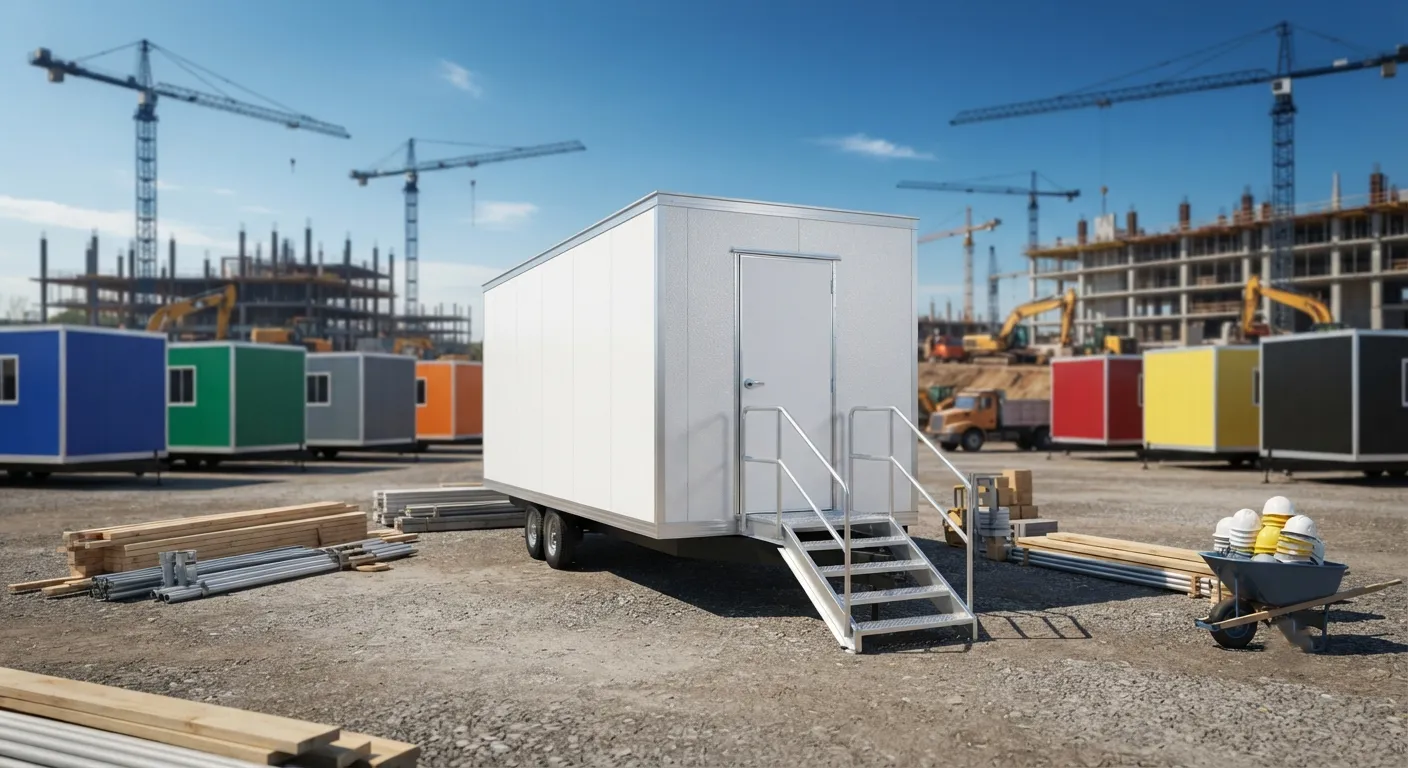
OSHA 1926.51(c) sets the actual math: one toilet for 20 or fewer workers, then one toilet and one urinal per 40 workers once you pass 20, scaling to one per 50 once a crew hits 200 or more. That is not a suggestion. A general contractor running a 35-person crew in Tempe Junction needs two toilet facilities minimum under that formula, and a construction worker jogging across a half-finished lot looking for the nearest unit is a sign the count is already wrong. Construction site services and OSHA portable toilet requirements both break the ratio down further. Placement matters as much as count: OSHA 1926.56(a) sets minimum lighting for the areas around them, and OSHA 1926.202 requires barricades meeting ANSI D6.1 near excavation or heavy equipment paths. A unit tucked 200 feet from the work zone gets used less and serviced less predictably. Porta potty placement guide covers spacing, ground stability, and access. Pricing on job sites runs by duration, and porta potty rental per day versus porta potty rental cost gives the full range depending on unit type and length of rental.
| Duration | Standard Unit | ADA Unit |
|---|---|---|
| Day | $100 - $350 | $200 - $400 |
| Week | $130 - $500 | $120 - $240 |
| Month | $125 - $325 | not typically monthly |
How often does the tank actually need pumping on a busy site?
That depends on headcount and hours, not a fixed calendar date. ANSI/PSAI Z4.3 uses one weekly service for 10 users over 40 hours as its baseline, so a 40-person crew running two shifts needs pumping more than once a week. Ask about your specific schedule through request a quote.
Do camping porta potties work differently than construction ones?
Not mechanically. A camping unit uses the same tank-and-chemical setup as a jobsite unit, just often smaller or towable. Camping porta potty covers sizing for group trips and remote sites where there is no water or power nearby.
What chemical goes in a porta potty tank?
A blue deodorizing and digestive chemical, mixed with a small water charge, breaks down waste and controls odor between services. It is added fresh at each pump-out, not left to run dry, which is part of routine service on every unit we place.
Are portable toilet chemicals near me the same as septic tank chemicals?
No. Porta potty chemicals are formulated for a sealed, frequently-pumped tank. Septic tank cleaning chemicals target a buried tank meant to hold waste for years; misuse can disrupt the bacterial breakdown a septic system relies on. See septic pumping service for how that system differs.
Do porta potties smell if serviced on schedule?
Not much. Ventilation stacks, chemical strength, and pump-out frequency all factor in, and units serviced weekly per the ANSI/PSAI Z4.3 baseline stay well within a tolerable range. Do porta potties smell covers what actually drives odor complaints.
Next step
Get a delivery date
Tell us the address, the dates and the headcount. We size the order and confirm the route.